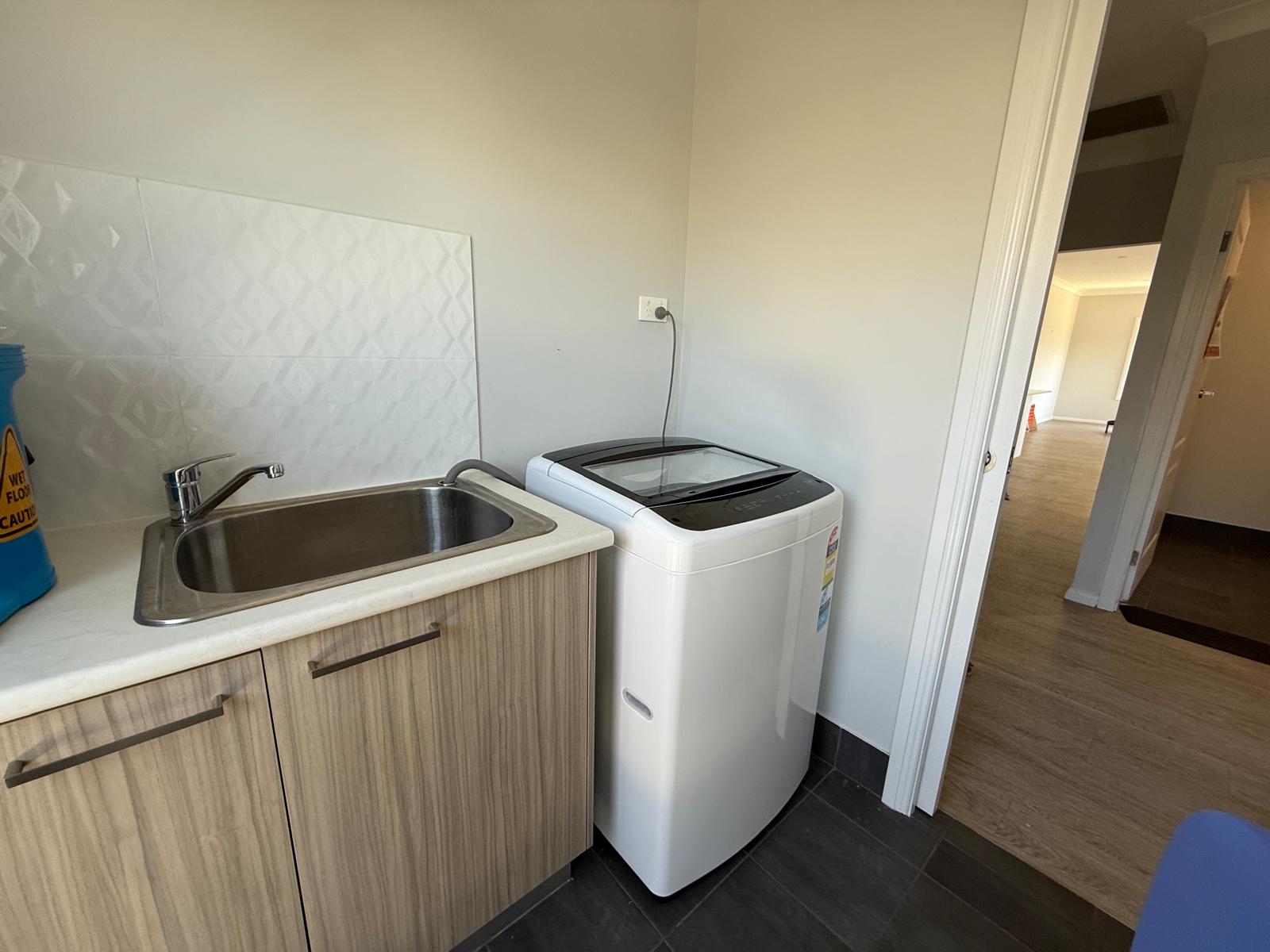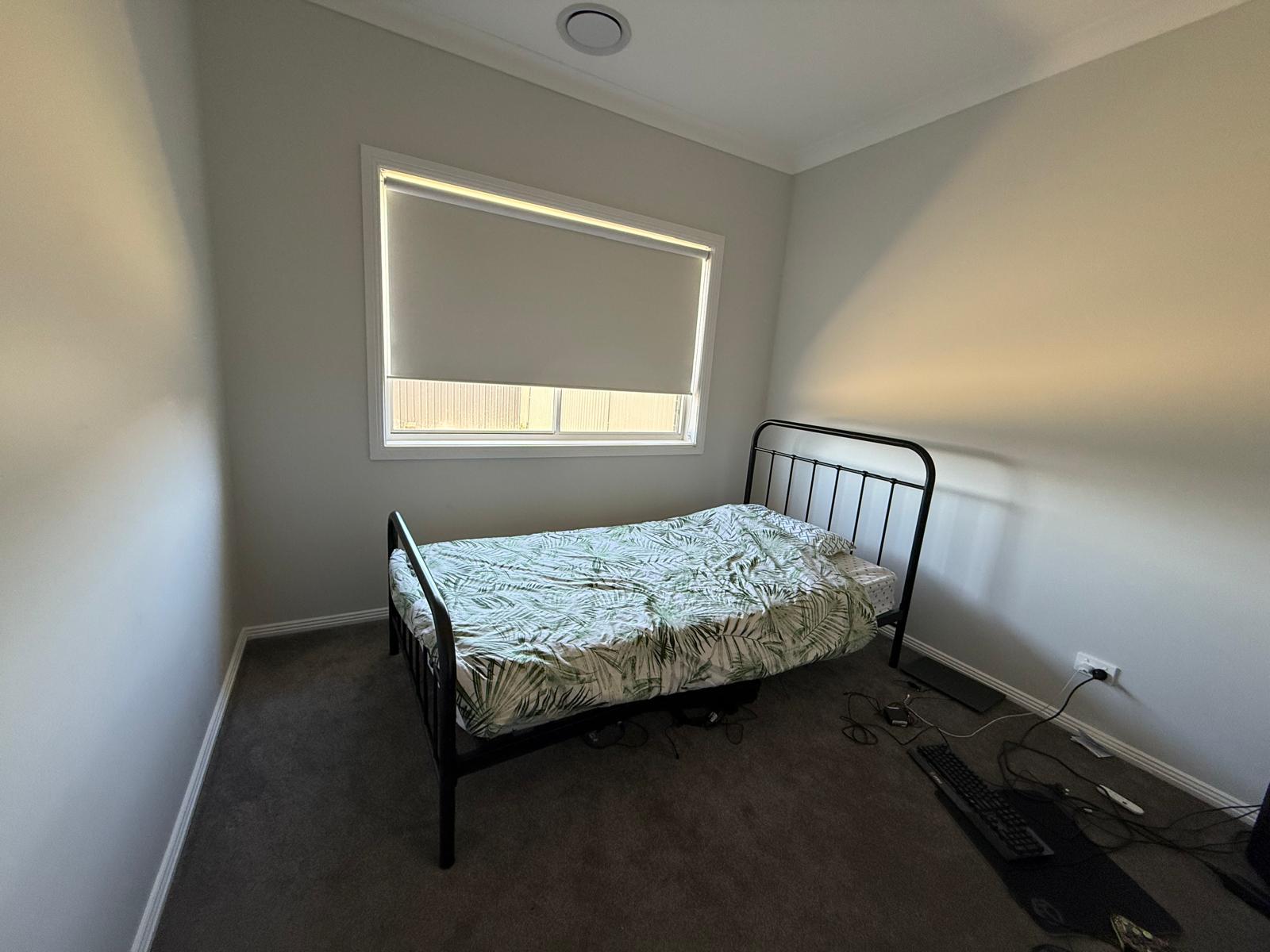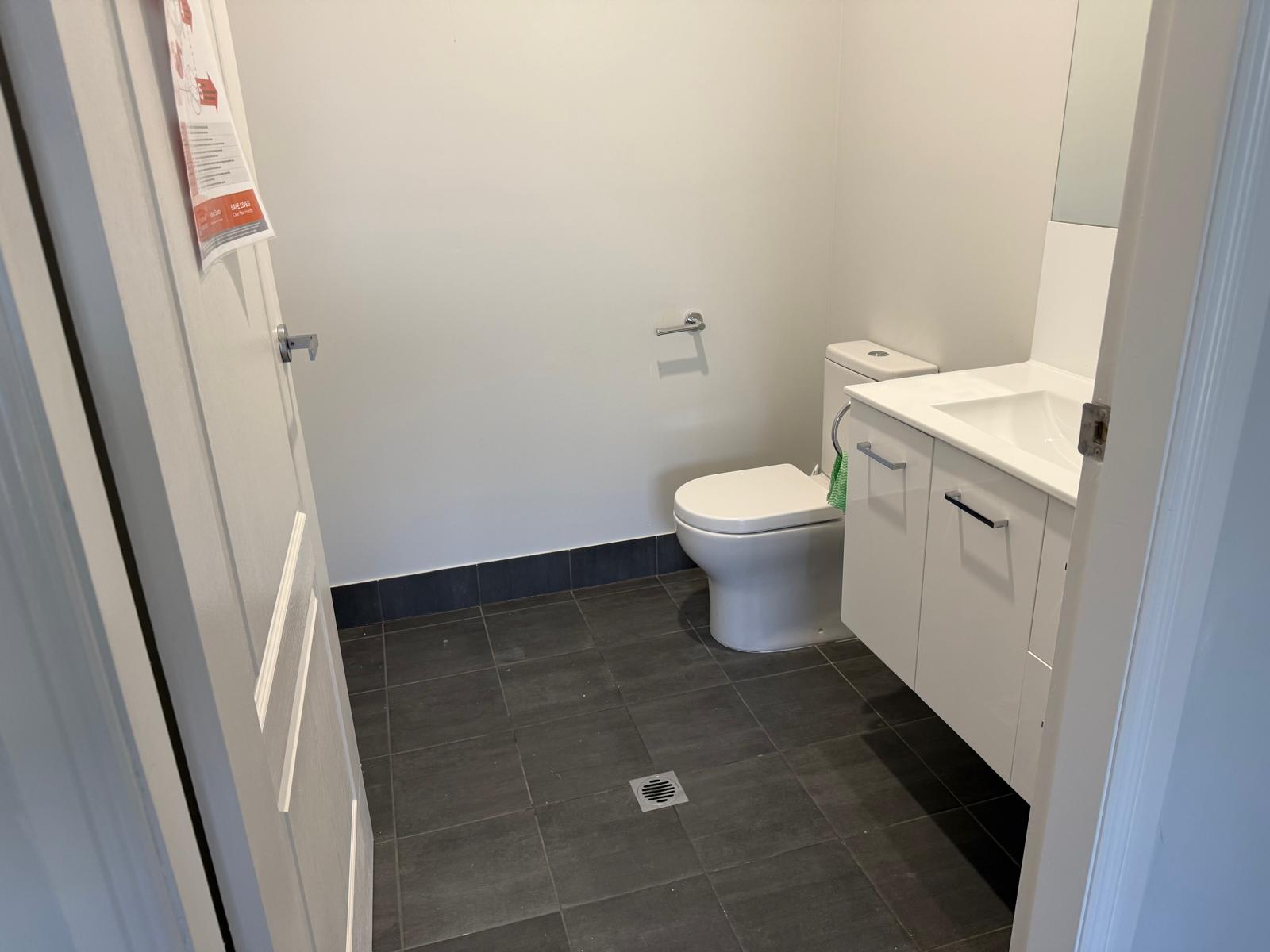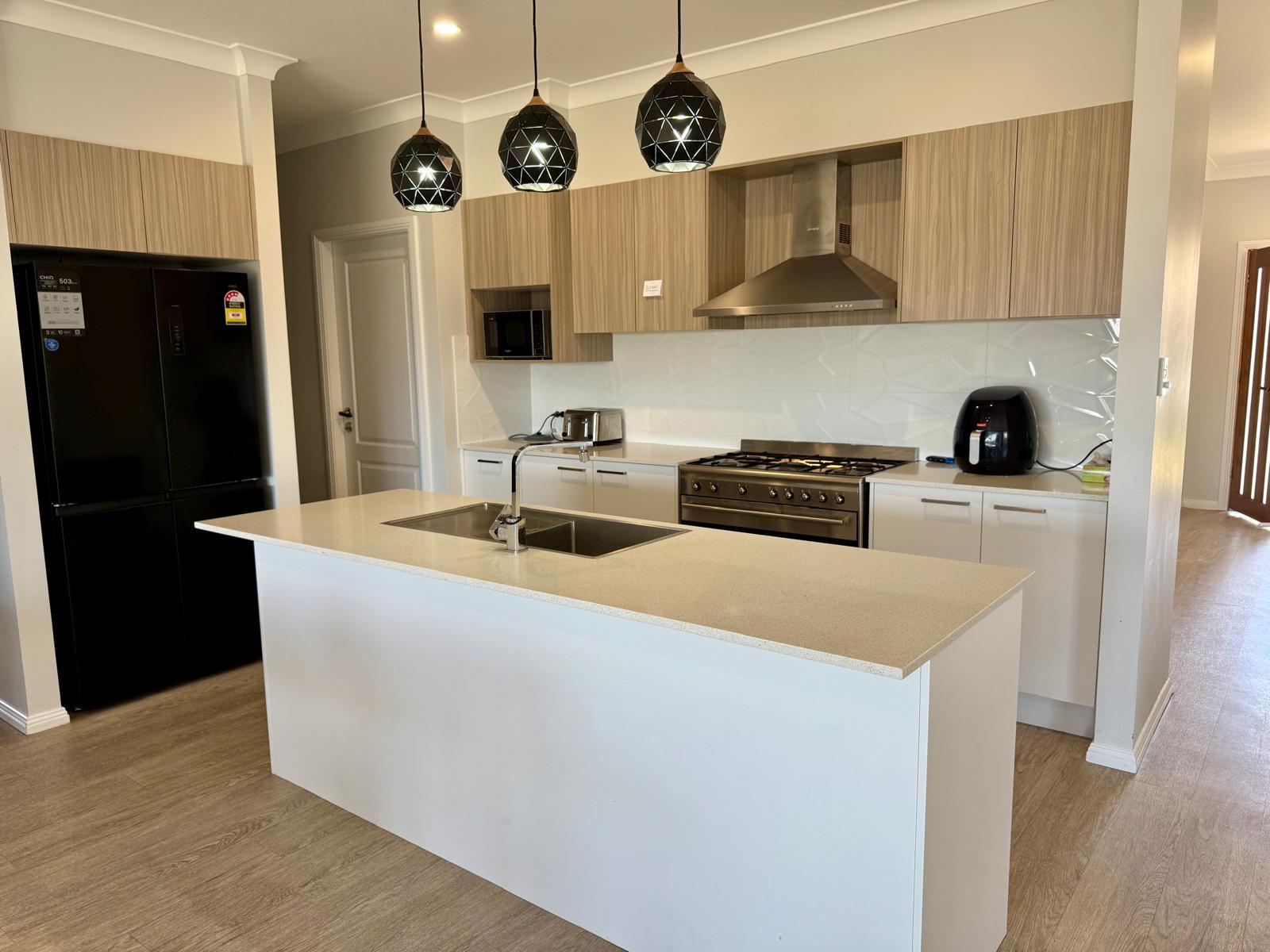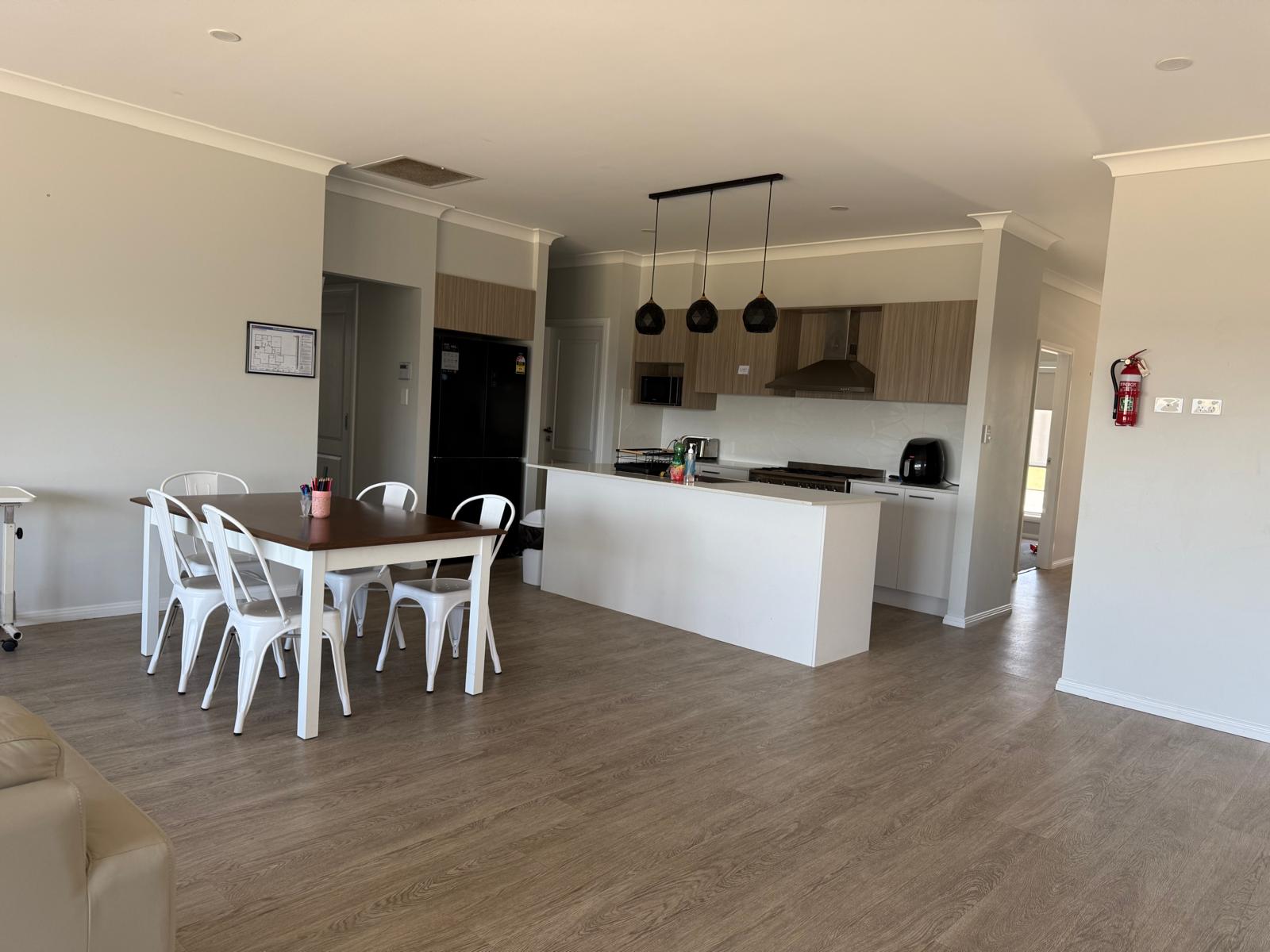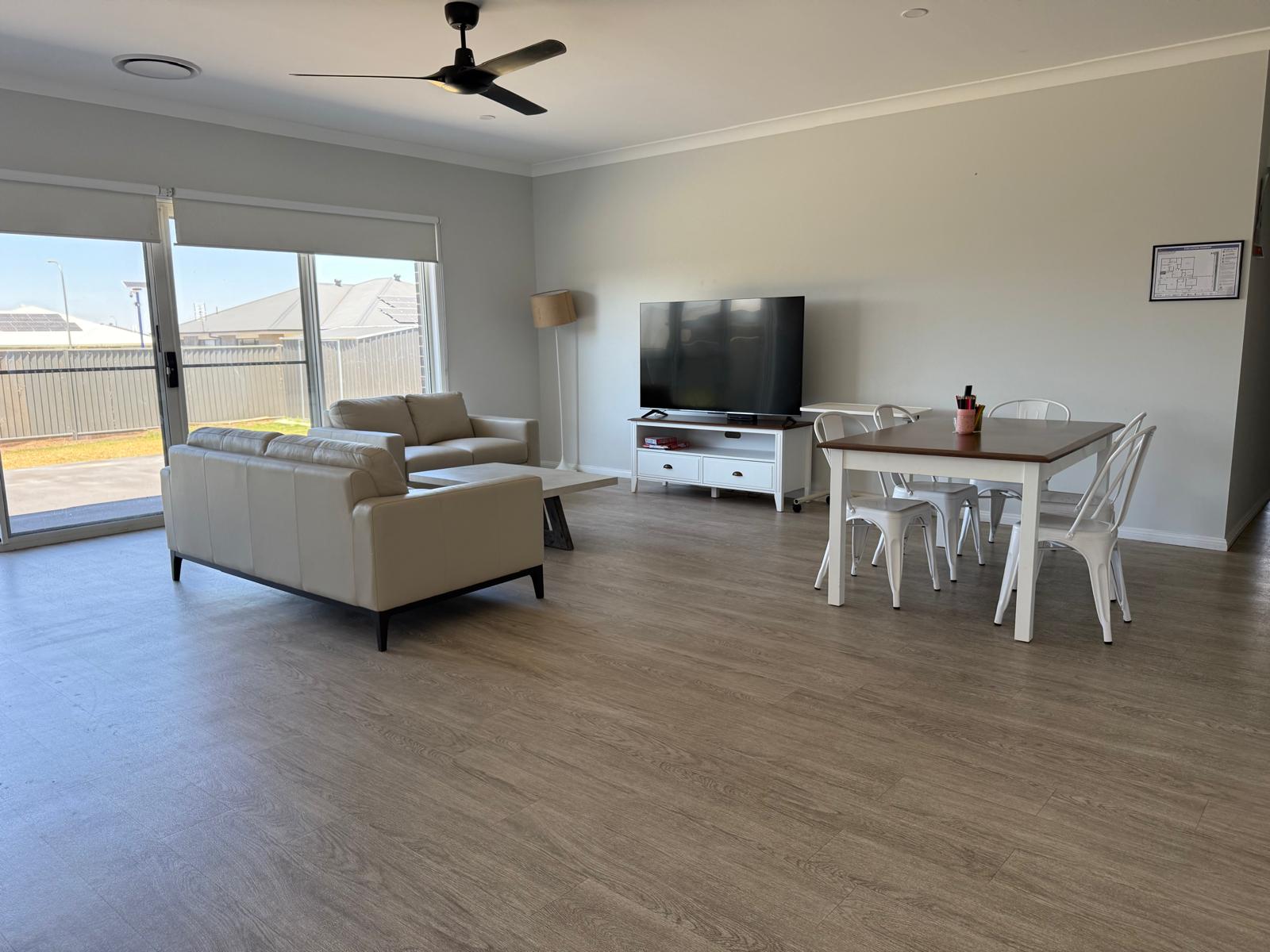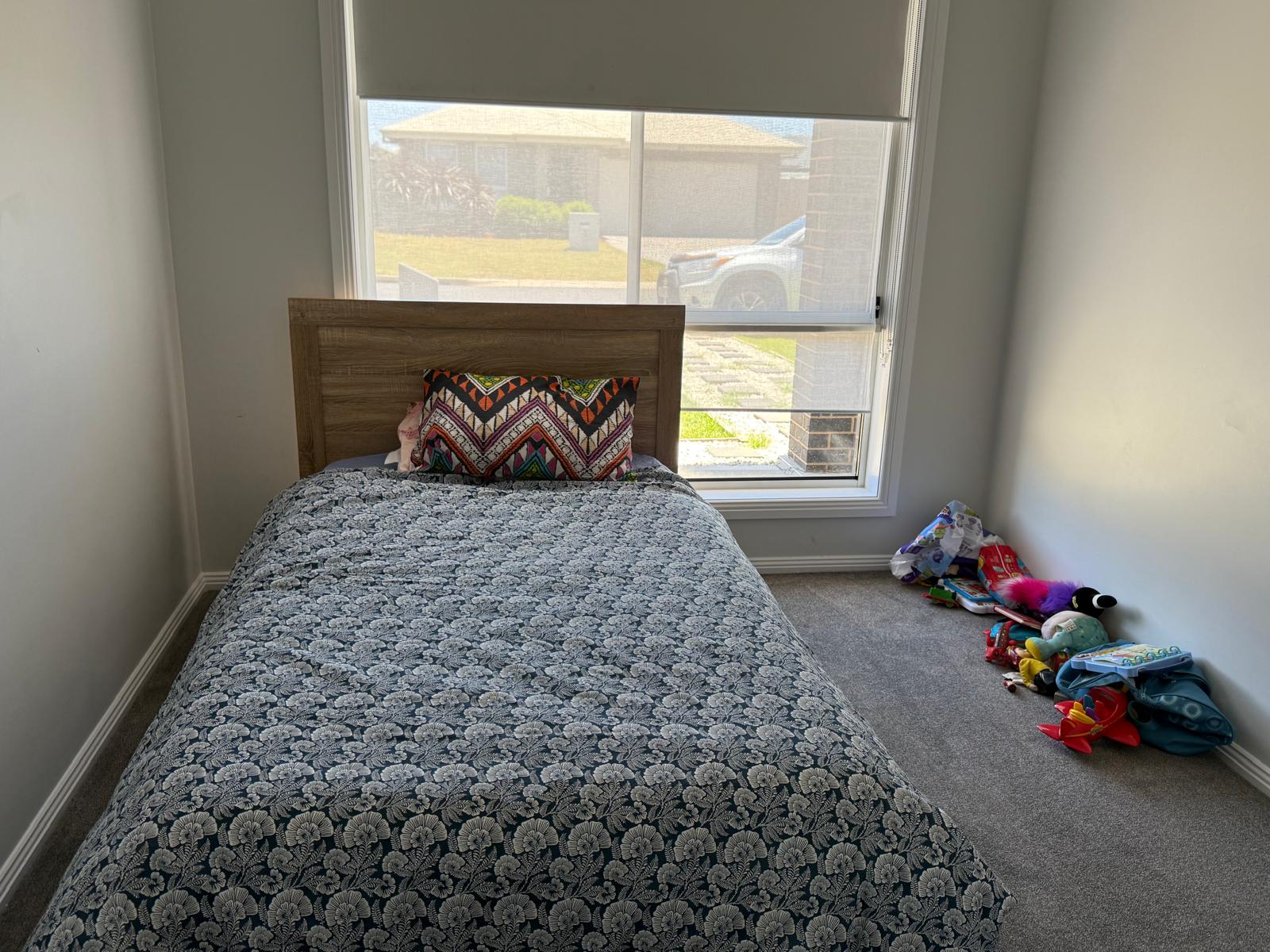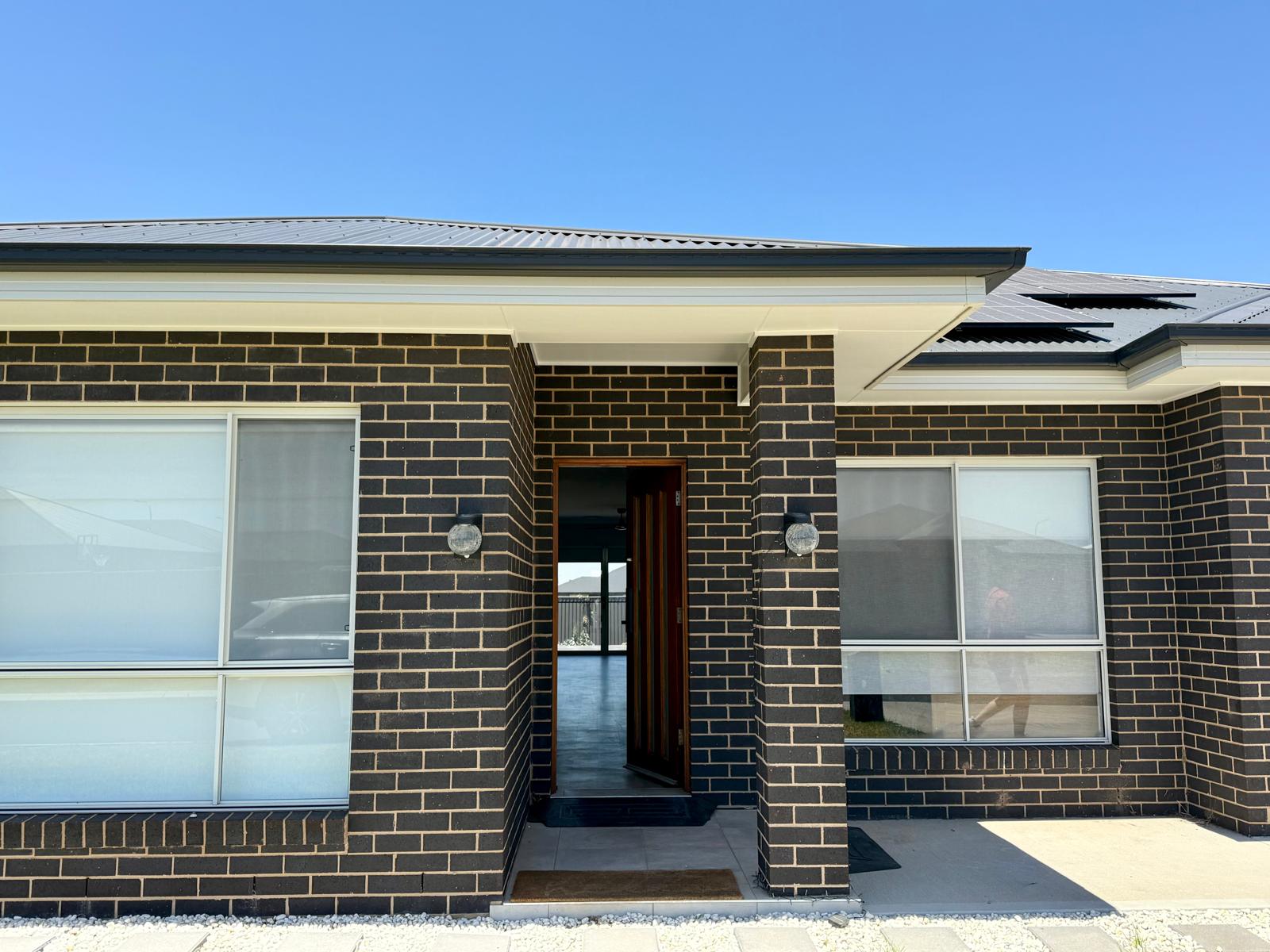
86 Tamworth
SIL assists individuals with disabilities to live independently in a shared living arrangement
Read More

Supported Independent Living
5
1
Supported Independent Living
The NDIS Supported Independent Living (SIL) funding is provided under the National Disability Insurance Scheme (NDIS) in Australia.
SIL assists individuals with disabilities to live independently in a shared living arrangement. There are different types or categories of SIL supports based on the level of support required. These categories are:
Basic SIL provides low-level support for individuals who require minimal assistance with daily living tasks. This level of support may include assistance with budgeting, household chores, meal preparation, and basic personal care. The focus is on fostering independence while providing some oversight and support.
Standard SIL offers moderate support for individuals who require more assistance with daily living activities. This may include support with personal care, medication management, meal planning and preparation, transportation, and household tasks. The level of support is typically tailored to meet the specific needs of the individual, allowing them to live as independently as possible. The assistance required may in some cases be 24/7.
High SIL provides higher support for individuals with significant disabilities and complex support needs. The focus is on providing comprehensive support to ensure the individual's safety, well-being, and quality of life. This level of support may involve 24-hour assistance, including personal care, complex medication management, behaviour support, specialised therapies, and additional support with community participation.
It's important to note that the specific level of SIL support required for an individual is determined through the NDIS planning process. The NDIS participant, their support coordinator, and other relevant stakeholders work together to determine the appropriate level of SIL support needed to meet the individual's goals and enable independent living. The level of support is assessed based on the individual's functional capacity, disability-related needs, and support requirements.